Learning Astrophotography Taught Me to See Photography Differently
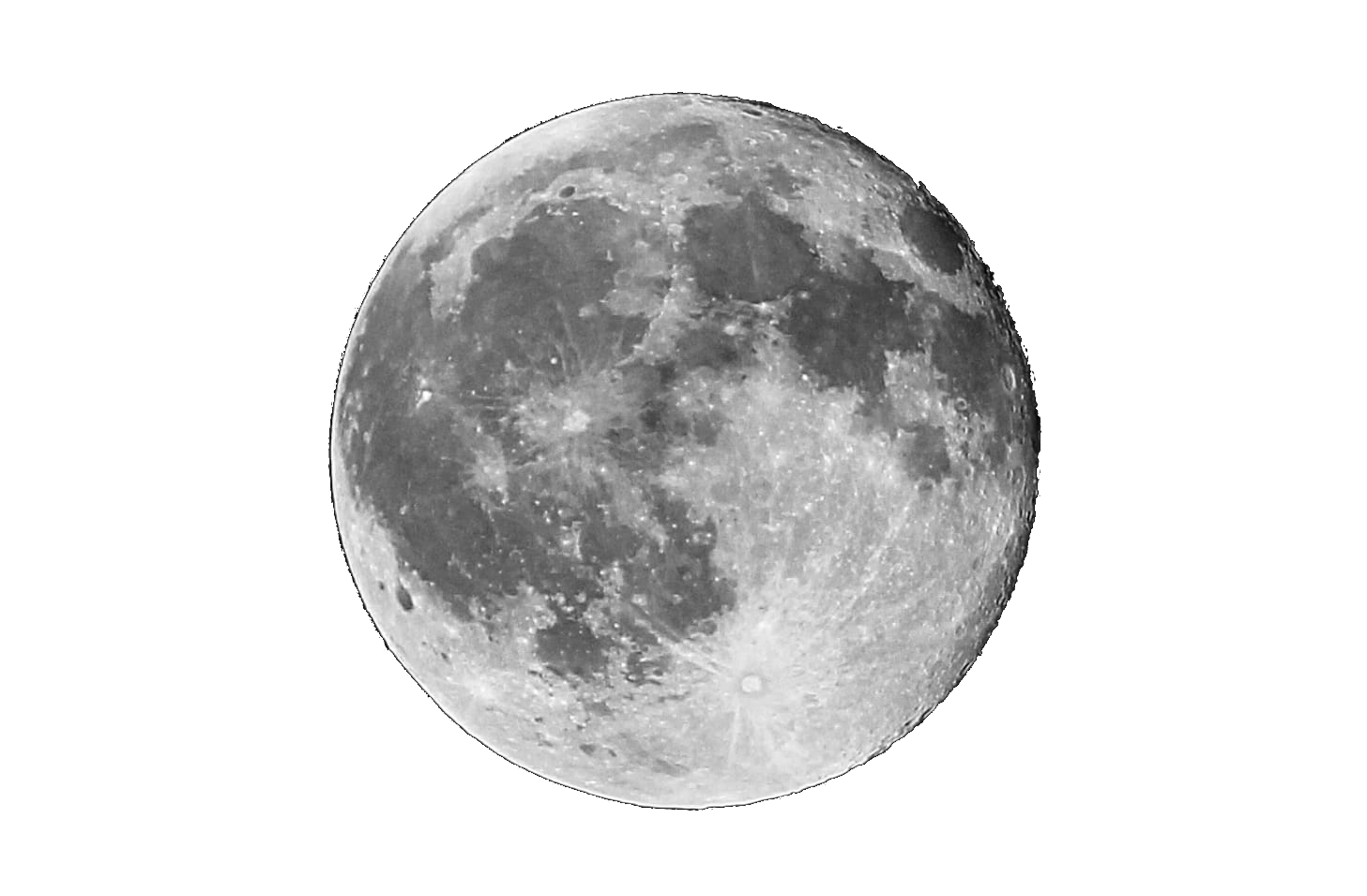
Astrophotography has a funny way of changing your relationship with the night sky.
Two years ago, a clear night was mostly just a clear night for me. Nice outside. Maybe look up for a minute. Move on with life.
Now I look at the sky and immediately start doing mental math-stuffs. How bright is the Moon tonight? Are those clouds actually leaving, or are they just waiting until I finish setting everything up? Where is my target going to be in an hour? How much time do I have before something gets in the way? Batteries charged?
And, probably most importantly: is tonight the night I finally get that crater shot?
I started learning astrophotography ~two years ago with a Canon EOS Rebel T7, a collection of lenses, and considerably more enthusiasm than actual knowledge. Since then, I've photographed the Moon, solar eclipses, and even managed to pull nebulae out of parts of the sky that, to my eyes, looked like little more than darkness sprinkled with stars.
Astrophotography has become much bigger for me than learning how to photograph things in space. It has forced me to understand cameras more deeply, become considerably more patient, pay closer attention to light, and start experimenting with areas of photography I probably wouldn't have explored otherwise.
It Makes You Earn the Photograph
One of the things I like most about astrophotography is that the camera cannot save you.
Modern cameras are ridiculously capable, but the night sky still has a way of exposing whether you actually understand what your camera is doing. Aperture matters. Shutter speed matters. ISO matters. Focus matters a lot, and stability is a virtue.
Then, just to make things more interesting, the rotation of the Earth suddenly matters too. When shooting the stars, photography stops being "point the camera at something cool and smash that like button" and becomes a small engineering problem that usually produces great photos when solved correctly.
The Rebel T7 has been a surprisingly good camera to learn that lesson with. It is a 24.1-megapixel DSLR capable of shooting RAW images. By current standards, there is nothing especially outrageous about its specifications, and that is kind of the point. Learning how to use a camera well matters a lot more than owning whatever camera currently wins arguments in photography forums.
The Moon was an obvious starting point for me because it is bright and enormous compared with most things in the night sky, and relatively forgiving. Relatively.
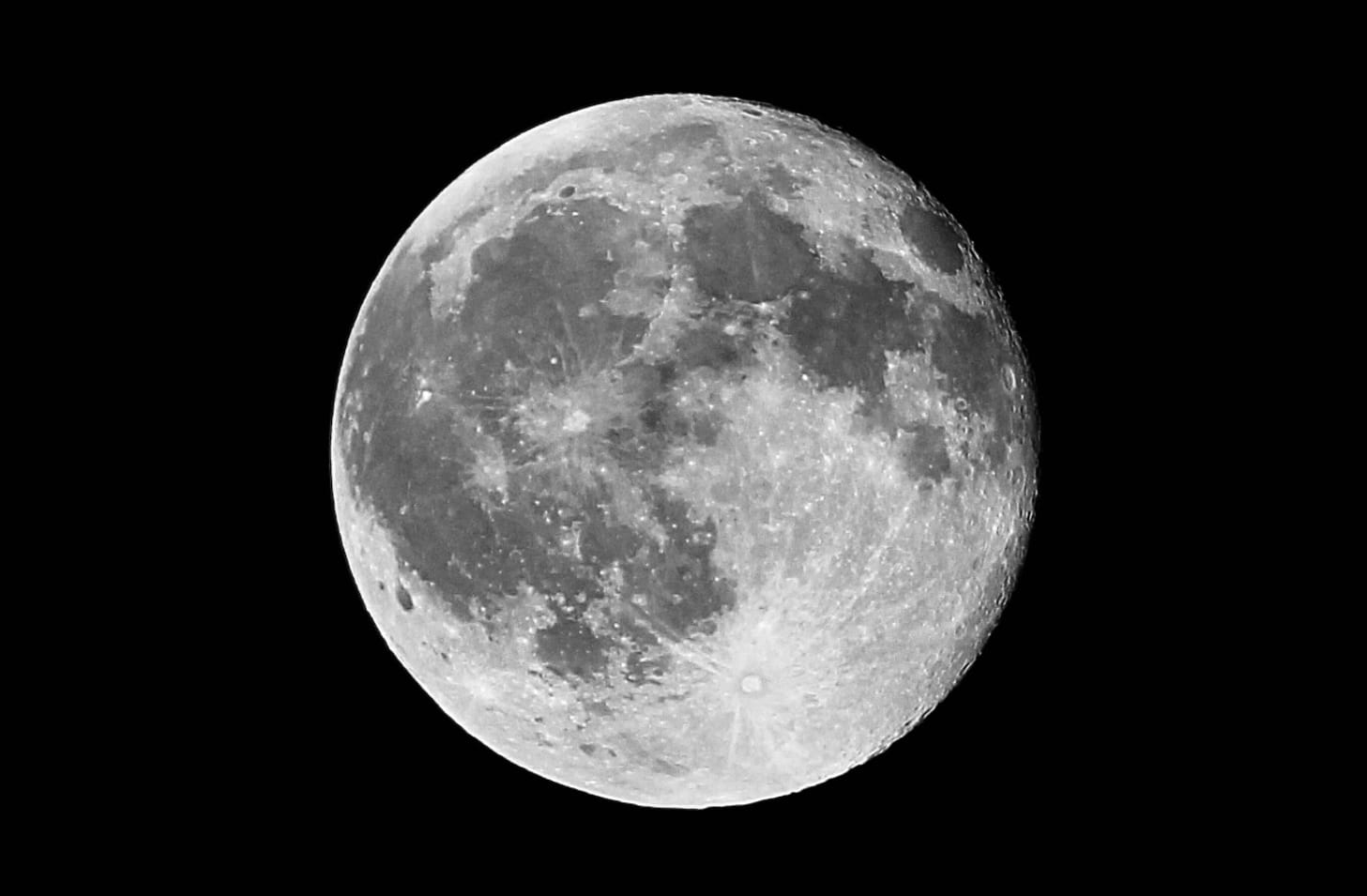
"Easy target" absolutely does not mean "automatic good photograph."
The Moon teaches exposure very quickly. Blow out the highlights and all of that beautiful surface detail turns into a glowing white disk. Miss focus just slightly and the craters lose their sharpness. Use too slow a shutter speed with a longer lens and tiny vibrations that seemed completely insignificant suddenly become painfully obvious.
It becomes a feedback loop.
Shoot -> Look -> Adjust -> Shoot again -> Cry -> Shoot again.
Oddly enough, that becomes addictive. Not the crying part – that only happened once or thrice.
And, then we have the sun. The sun is another issue altogether. I'll revisit my sun stories another time.
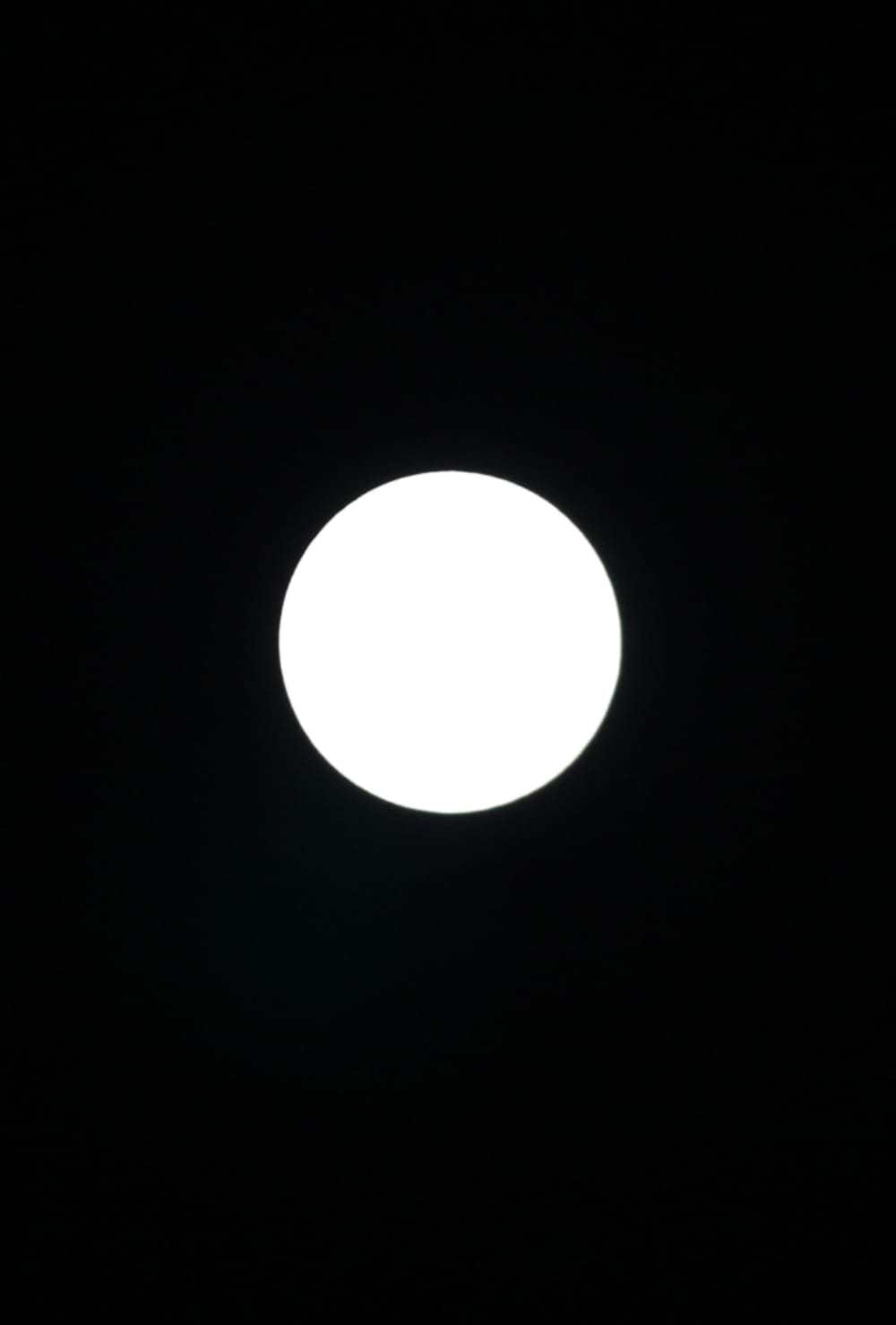
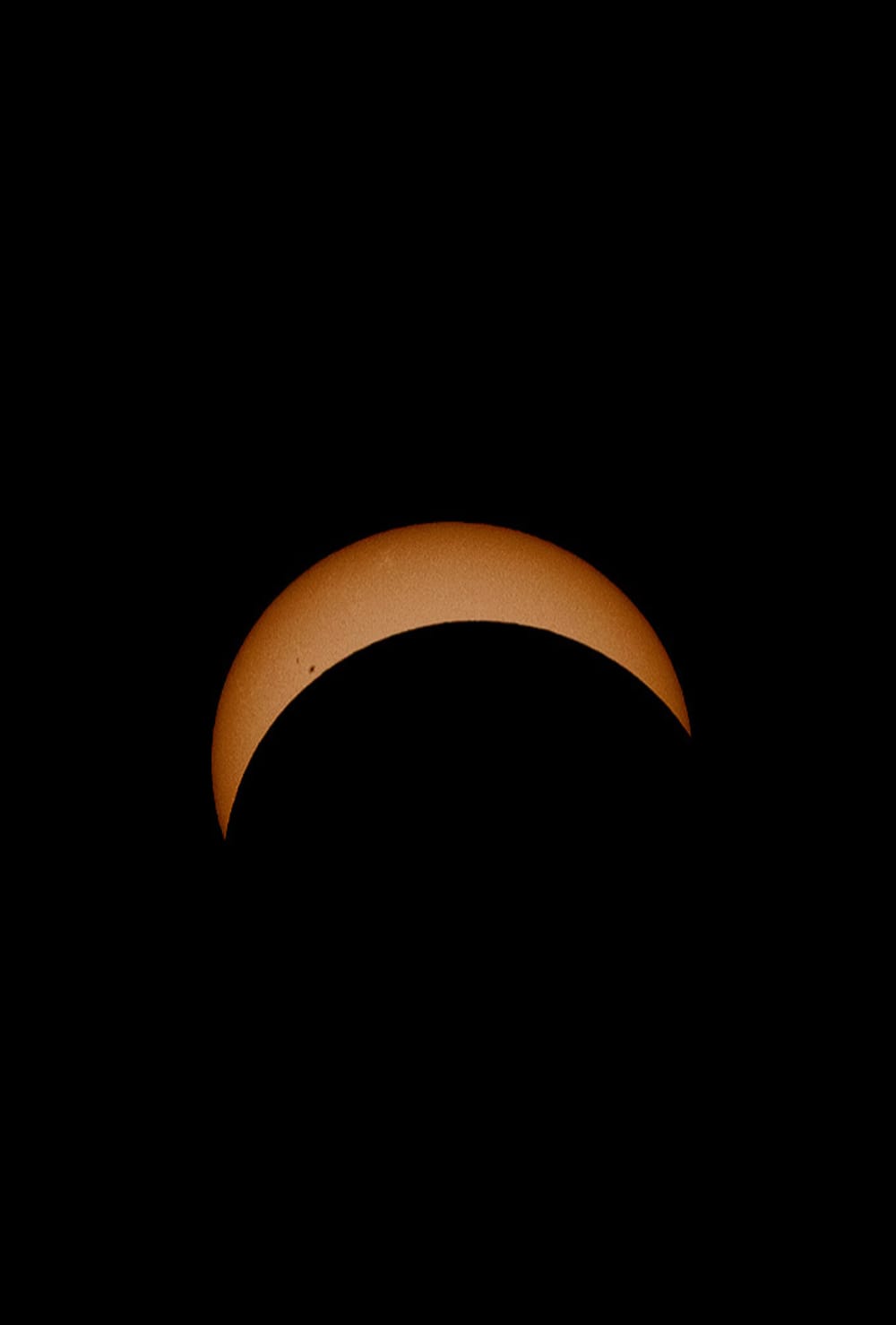
LEFT: A shot of the Sun before filtration, nearly burning a hole in my deck. RIGHT: The solar eclipse that took place a few hours later, properly filtered after a bit more research.
Then You Try to Photograph Something You Can Barely See – Nebulae
Nebulae changed the game for me. I am not uploading my shots of them here, just yet. They're not good, haha! I'll circle back and put them here when I grow some... courage.
There is something borderline ridiculous about pointing an otherwise normal-looking camera toward a dark patch of sky and later discovering that there was structure, color, and detail sitting there the entire time.
Your eyes are basically saying, "There's not much happening over there."
Meanwhile, the camera sensor is quietly collecting evidence to the contrary.
This is where astrophotography starts teaching patience in earnest.
Faint objects need light. Gathering more light means longer exposures, or taking many exposures and stacking them together later. The problem is that a camera sitting on a tripod might be stationary, but the planet underneath it definitely is not.
Earth keeps turning.
As your exposure gets longer, the stars stop behaving like nice little pinpoints and begin dragging themselves across the frame.
Enter the star tracker.
The Star Adventurer 2i Was a Small Upgrade With a Huge Effect
The Sky-Watcher Star Adventurer 2i is a portable tracking mount. Once it is properly polar aligned, it moves the camera to compensate for Earth's rotation, allowing the lens to stay pointed at roughly the same section of sky for much longer exposures. The idea sounds fairly simple. Using one changes everything.
Suddenly, the limiting factor is no longer quite so brutally tied to how quickly the stars move across a stationary image. Longer exposures become practical. Longer focal lengths become more useful. Fainter targets start becoming realistic. You begin thinking about the sky a little less like somebody standing outside with a camera and a little more like somebody running a tiny backyard observatory. And I love that.
The Star Adventurer 2i can track at sidereal, lunar, and solar rates and can also be used for time-lapse work. It can control compatible DSLR shutters and be configured through its companion app. Those features are useful. But the thing I enjoy most about it is much simpler: it gives me more room to experiment.
And experimentation is where astrophotography becomes extremely dangerous to your free time. First you learn polar alignment. Then stacking. Then noise reduction. Then calibration frames. Then processing.
Then you realize a different lens would frame something better. Then you start checking when Orion rises. Then you download another astronomy app. Then, at some point, you realize you have developed strong personal opinions about clouds.
It escalates surprisingly quickly.
The Image Is Only Half the Work
Before astrophotography, I thought about post-processing mostly as the final polish on a photograph. Astrophotography changed that completely. When you are photographing faint objects in space, processing can be part of revealing the photograph in the first place.
One individual frame might look fairly unimpressive. Stack a bunch of exposures together, reduce the noise, carefully bring up the contrast, balance the color, and suddenly structure begins appearing that you could barely see before. That moment is incredibly satisfying.
Somewhere Along the Way, I Became Interested in Photography Itself
This is probably the part I did not expect. I got into astrophotography because space is fascinating and photographing it sounded technically difficult enough to be fun. Instead, astrophotography ended up becoming a gateway into photography itself.
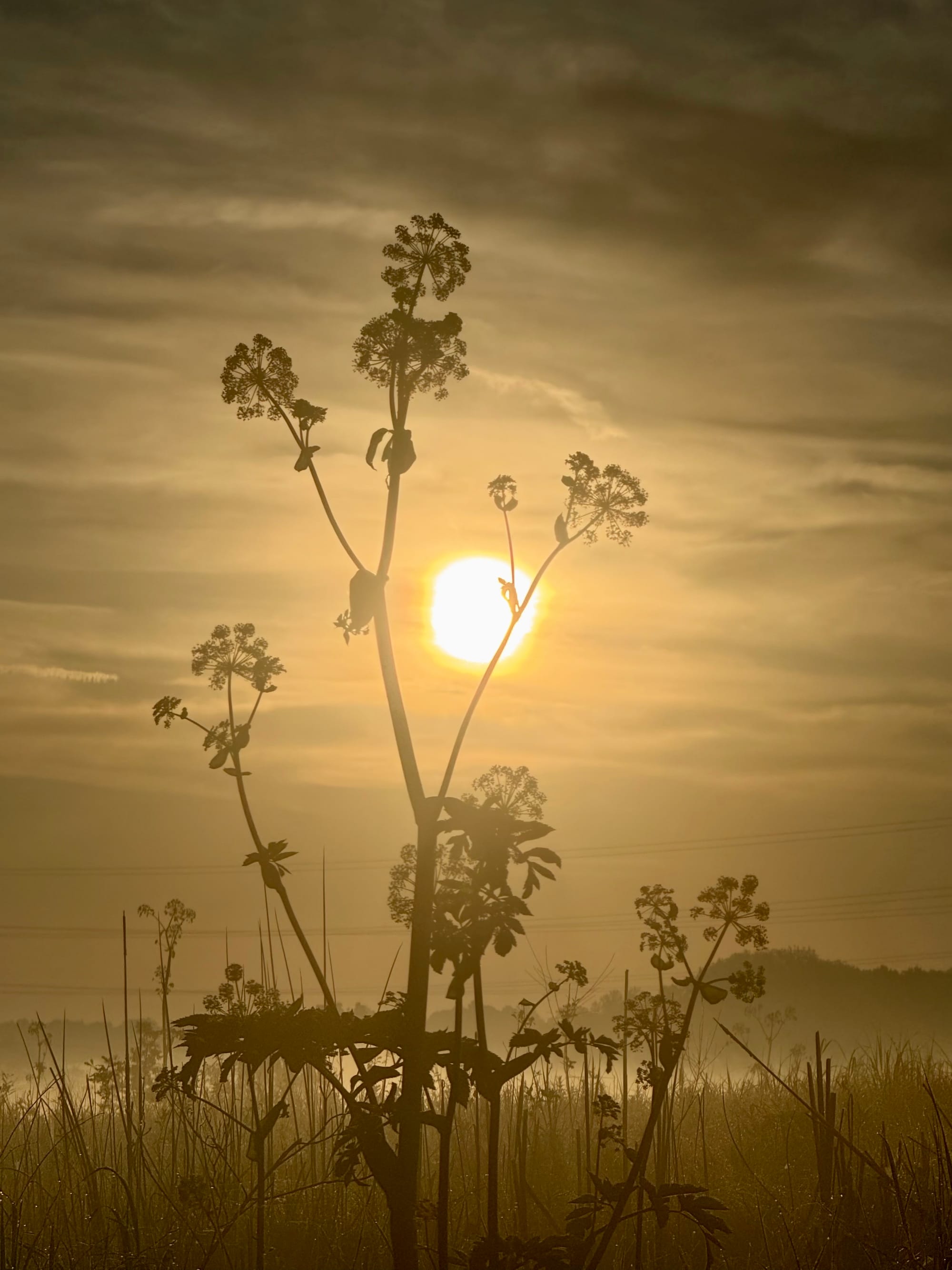

Spend enough nights manually focusing on tiny stars and ordinary autofocus starts feeling like sorcery. Spend enough time obsessing over whether your tripod moved half a millimeter and you start thinking much more seriously about stability and composition.
Astrophotography also forces you to be deliberate. By the time you have set up a tracker, polar aligned it, attached the camera, framed a target, focused, dialed in an exposure, and started an imaging sequence, you probably are not going to casually fire off 300 photographs with no idea what you are trying to capture. You've invested too much effort by that point. You think about the photograph.
That mindset carries over. I find myself looking at ordinary scenes differently now. Where is the light coming from? What would another focal length do here? Would the frame be better with movement or without it? What is the camera going to see that my eyes are currently ignoring?
That may be the most useful thing astrophotography has taught me. A camera is not simply a machine for preserving what I saw. Sometimes it is a machine for discovering what I didn't.
You Do Not Need the Perfect Setup to Start
Astrophotography can get expensive hilariously fast if you let it. There are dedicated cooled astronomy cameras, elaborate equatorial mounts, telescopes, filters, guiding systems, focusers, power supplies, controllers, dew heaters, and enough specialized accessories to make just about any technically inclined person financially irresponsible. It is very easy to fall into the trap of believing that the next piece of equipment is the thing standing between you and a good photograph.
But that is not where anyone needs to start. A digital camera, a reasonably capable lens, and a solid tripod are enough to begin learning how to photograph the night sky. That has definitely been true for me.
My Rebel T7 did not prevent me from learning astrophotography. It gave me something to learn astrophotography with. Different lenses opened different possibilities. The Star Adventurer 2i expanded what I could realistically attempt without requiring me to immediately jump into a full astrophotography rig that looks like it belongs at NASA.
Every addition made more sense because I had already encountered the limitation it was solving. And I think that is probably a healthier way to approach almost any technical hobby.
Do not immediately try to buy your way around the learning process. Let the learning process tell you what you actually need next.
Looking Up Has Changed the Way I Look Around
I am still learning astrophotography. That is a big part of why I like it.
There will always be a cleaner exposure, better polar alignment, a more difficult target, darker skies, another processing technique, or some photograph that looked absolutely incredible in my head and considerably less incredible when I finally saw it on the back of the camera.
That is fine.
After two years, I have enough successful images to know that the frustrating nights are worth it. I have photographed the Moon. I have chased eclipses. I have captured nebulae!
I have watched a camera sit outside in the darkness collecting tiny amounts of light that left objects an almost unimaginable distance away from me, then turned that light into something I could carry back inside on a memory card.
That feels a little absurd in the best possible way. And somewhere along the way, astrophotography made me want to photograph much more than the sky. That might be the unexpected gift of the whole thing.
I started learning astrophotography because I wanted to figure out how to photograph the things above me.
Instead, it ended up changing the way I see almost everything around me.